Living in Aachen’s Border Triangle
Life Between Germany, Belgium, and the Netherlands in the Tri-Border Region
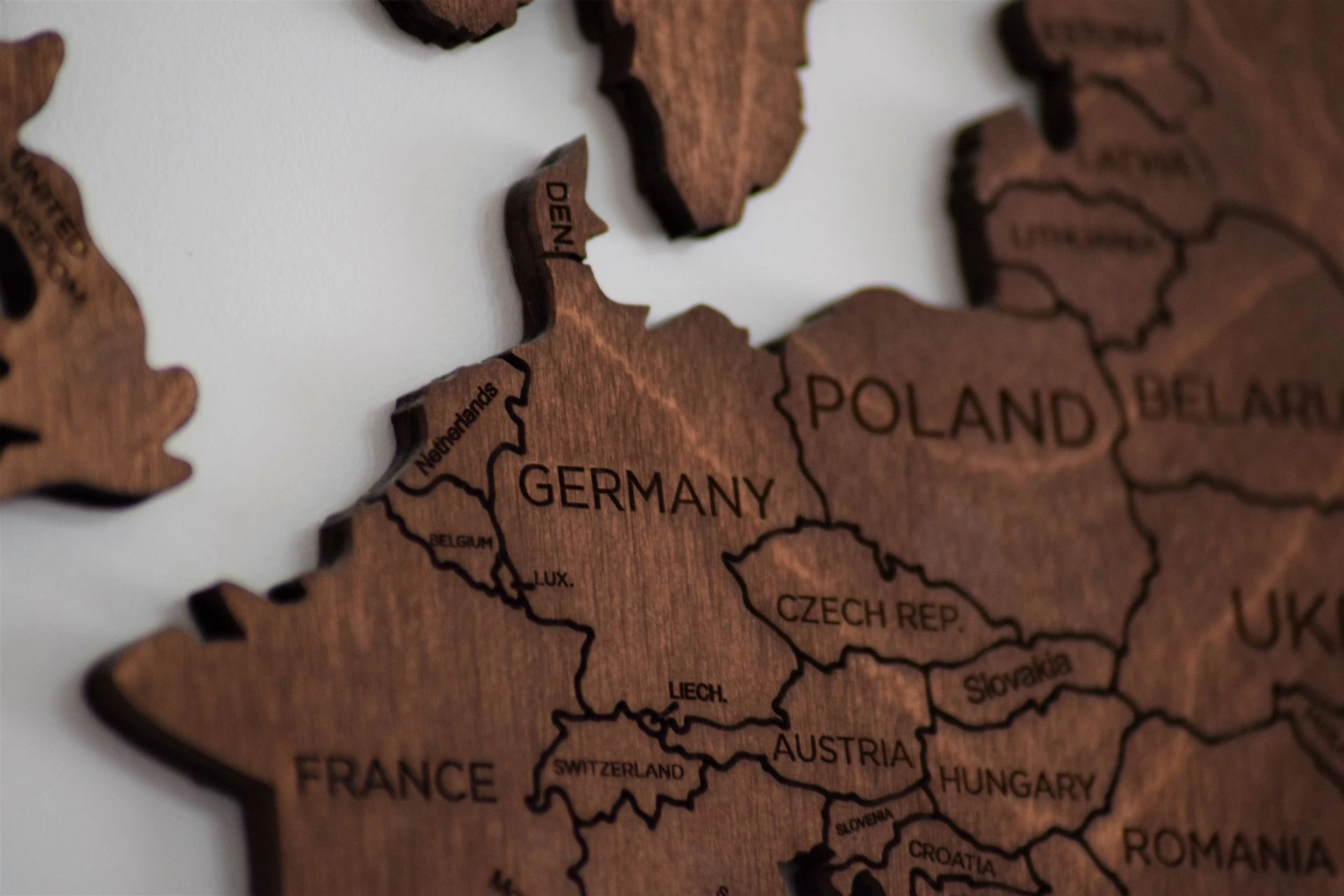
They say no country is perfect. It is true. But what about combining the aspects of multiple countries at once? Living in a city located at the meeting point of three countries can indeed be awesome!
Aachen, a German city located at the meeting point of the border triangle of Germany, Belgium, and the Netherlands, offers a unique lifestyle. In a nutshell, by living in such a region, you can have access to multiple choices as presented in the following table:
| Country | Groceries and Everyday Needs | Property and Rent | Career and Salaries |
|---|---|---|---|
| Germany | Often cheaper for basic groceries, especially in larger supermarkets and local bakeries. | Housing in Aachen is more affordable than comparable Dutch or Belgian cities, though finding a suitable flat can be challenging. | Good salaries and a large job market. Aachen has a strong startup ecosystem in tech, deep tech, and hardware. |
| The Netherlands | Slightly higher prices for everyday goods, but more variety and specialty products. | Often higher rents, but better infrastructure and more digitalization. | Often higher average salaries, but with fewer job opportunities (not a large job market), and jobs are not concentrated in border regions. |
| Belgium | Mixed pricing, but some items can be very good value. | Cheaper in a border town, but with fewer services and public transport options. | Better opportunities for bi- or tri-lingual people (French, Dutch, and German), but salaries are lower in general, and jobs are not concentrated in border regions. |
Let’s look into more details about how living in this location influences different aspects of life, and what perks and opportunities it provides.
Shopping
The tri-border location of Germany, Belgium, and the Netherlands gives you access to shopping in three different countries, which in turn has many advantages:
- Access to More Goods. Every country has its unique set of shops and chains, so some goods that can be found in one country may not be available in the other. By living in a location like this, you can have access to all of them at once.
- Cost Optimization. Prices of goods differ across countries due to taxes, import and transfer costs, and many other factors. Living in a tri-border area like this lets you cut your shopping costs by buying where prices and quality are best.
- Hacking the Opening Times in Germany. In Germany, shops are closed on Sundays by law. In the Netherlands and Belgium, especially in border towns, many shops and cafés are open. This means that you can still go shopping, buy groceries, visit a supermarket, or do other errands without waiting until Monday. For many Germans in Aachen, this is already part of their routine.
Popular Shopping Destinations
-
Vaals. Vaals is a Dutch village just across the border from Aachen. It offers many shopping options, for example, Albert Heijn, Jumbo, and Lidl. It can be reached from Aachen by bus (by lines 25, 33, X25, and 350), bike, or even on foot (walking there from the center takes around 60 minutes). Vaals is extremely accustomed to Germans. On Sundays, when German shops are closed, you will often hear more German than Dutch in the streets and cafés.
-
Kerkrade. Kerkrade is a Dutch town near Aachen, easily accessible by bus (lines 34 and 47), bike, or car. It offers a variety of shopping options, cozy cafés, and a relaxed, local atmosphere, ideal for a spontaneous border area trip. Like Vaals, Kerkrade is familiar with German visitors, making it a convenient and welcoming destination for a quick getaway without much planning.
-
Kelmis (La Calamine). Just across the Belgian border, Kelmis is a practical and charming destination for groceries, cafés, or a leisurely walk. It can be reached by bus (line 24), bike, or car. While not as bustling as Maastricht, its quiet, local vibe perfectly complements the border triangle lifestyle: close, easy to reach, and just different enough to feel like a refreshing change of scenery.
Job Opportunities
Living in a tri-border location gives you access to three job markets in three different countries. This can be very lucrative if you have the skills and work permits. The most favorable option depends heavily on your individual situation, including your status (EU citizen, non-EU, student, employed, or self-employed) and your language and professional level.
Your Options
- EU/EEA/Swiss Citizens. If you are an EU/EEA/Swiss citizen, you can live in any of the three countries, work in another, and study in a third. You do not need a residence or work permit in the country where you live. You just need to make sure to officially register your address where you want to live and obtain a tax ID where you want to work.
- Non‑EU Citizens. You must have a valid residence permit in the country where you live and the legal right to work in the country where you are employed. Depending on your situation, you may need a work permit or another form of authorization. Requirements differ between Germany, Belgium, and the Netherlands.
Free Time Activities
Living in a tri-border region gives you access to many places and events where you can spend your free time.
Places You Can Visit
Maastricht: The Picturesque Neighbour
If you go a bit further into Limburg, you reach Maastricht, a beautiful, historic city with a strong international and university vibe. It offers many things to see and do, including the following:
- River and Medieval Architecture. The Meuse (Maas) River flows through the city, and its old center features medieval buildings, towers, and forts (including the Helpoort gate, one of the oldest city gates in the Netherlands).
- Cafés, Restaurants, and Shops. The center is lively with cafés, restaurants, and shops, especially along streets like the Boschstraat, Vrijthof, and the areas around the river.
- Events and Culture. Maastricht hosts regular events, from music festivals and cultural weekends to seasonal markets. As a university town, it also has a young, international atmosphere similar to Aachen.
Maastricht can be reached directly from Aachen in many ways, by bus, train, or car. Among the bus connections, line 350 links the two cities and is generally reliable and fairly quick for a cross-border route. Trains are also available between Aachen and Maastricht, including via Heerlen, but the bus is often a simpler and cheaper option for a weekend trip.
The American Cemetery and Abbey
Between Vaals and the Dutch town of Gulpen, there are unique and historically significant sites:
- American World War II Cemetery. The Maastricht–Aachen area was heavily involved in the final phases of the war in Europe. There is an American military cemetery in this border region that commemorates US soldiers who died during the liberation of the area.
- St. Benedictusberg Abbey in Lemiers. Close by, in the village of Lemiers, you can visit St. Benedictusberg Abbey, a Benedictine monastery with a church, gardens, and often a small shop selling honey, baked goods, and religious items.
The Dreiländereck (Drielandenpunt)
The Dreiländereck (in Dutch: Drielandenpunt) is the symbolic point where Germany, Belgium, and the Netherlands meet. It is a popular spot for tourists and locals, with a small monument that you can take pictures in front of. The area also has an observation tower and a labyrinth (for a fee) and two cafes/buffets where you can order Belgian fries and the local 3 Schteng beer. You can visit it as part of a short walk or bike ride from Vaals or nearby Dutch villages. It is a great place to take a photo or just enjoy a moment of cross-border “I am standing in three countries at once” feeling.
You can read about other trip destinations near Aachen in this article.
Festivals and Events
The border triangle is rich in cultural celebrations:
- Maastricht's Carnival: One of the largest and most vibrant in the Netherlands, with parades and street parties.
- Aachen's CHIO: The world's largest equestrian event, held annually in the Soers park.
- Vaals' Drielandenpunt Festival: A cross-border celebration at the tri-point monument.
- Limburg's Music Festivals: From classical concerts in Maastricht's churches to modern festivals along the Meuse.
- King’s Day in the Netherlands: A national Dutch holiday on the 27th of April, with orange clothes, street markets, and big celebrations.
Combinations of Working and Living in The Tri-Border Area
The tri-border offers easy commuting by bus, train, or bike, making cross-border living and working convenient. Cross-border living and working arrangements in the area are presented in the following table:
| Live | Work | Advantages | Disadvantages |
|---|---|---|---|
| Germany | The Netherlands | (i) Housing in Aachen, and Germany in general, is more affordable than in the Netherlands. (ii) Access to the Dutch job market, where the wages are typically higher. | (i) Germany is more bureaucratic and less digitalized than the Netherlands. (ii) Jobs in the Netherlands are not concentrated in the border region, so you will probably need to commute for longer times to reach areas around Eindhoven. |
| Belgium | The Netherlands or Germany | (i) Lower housing costs in some Belgian border towns compared to Aachen or Dutch cities (for both buying and renting). (ii) Access to job markets in both Germany and the Netherlands, where the wages are typically higher. | (i) Depending on where you live in Belgium, you might have to communicate using another language (e.g., French). (ii) Infrastructure quality in Belgium varies by region, and some areas are less developed than others. (iii) Belgium has higher tax rates that can apply to you as a resident. |
| The Netherlands | Germany | (i) The Netherlands has better infrastructure and is more digitalized. (ii) The Dutch lifestyle (if you prefer it). (iii) Access to the German job market, which offers more opportunities (regarding the number of available jobs). | (i) Having to deal with the German bureaucracy for multiple processes, such as tax returns and obtaining a tax number. (ii) Housing in the Netherlands is more expensive than in Germany. (iii) Groceries and shopping are more expensive in the Netherlands in general. |
| Germany or The Netherlands | Belgium | (i) Access to some niche jobs, especially for people who speak a combination of the official languages in Belgium (Dutch, French, and German). (ii) Germany and the Netherlands can have better infrastructure (depending on the city or the town). | (i) Belgium has the lowest wages in general. (ii) Housing is more expensive in Germany and the Netherlands. (iii) Jobs in Belgium are not concentrated in the border region, so you will probably need to commute for longer times to reach areas around Brussels. (iv) Belgium can have higher tax rates depending on the income. |
General Tips and Considerations
- In most cross‑border cases, wage tax and social security are paid in the country where you work, not where you live. If it is fully remote from where you live, it has different considerations.
- Double taxation agreements try to avoid you paying twice, but you may still need to file tax returns in both countries where you live and where you work depending on the circumstances.
- If you are self‑employed, you might choose to register your business in one country and serve clients in all three. It is better to consider professional advice in this matter.
- Your health insurance arrangements depend on your individual employment situation and should be checked before starting work.
- You need to obtain a tax number, a social security number, or both in both the country where you work and the country where you live.
- You can get information about cross-border living and working by visiting this website: grenzinfo.eu.
With the right setup, cross-border living can become a true advantage for your career, your budget, and your personal growth. Now that you know the options for living in this unique place, we hope you find an arrangement that suits you and helps you make the most of its perks.
–
DISCLAIMER: This article is for informational and educational purposes only and should not be taken as tax, financial, legal, or investment advice. The strategies and opinions shared are based solely on personal experience and research; we are not tax professionals, lawyers, or accountants. For tax, legal, or employment advice, always consult official sources or licensed professional advisors.
–
Frequently Asked Questions (FAQs)
Q1: Why is Aachen a good city for cross-border living?
Aachen is located at the meeting point of Germany, Belgium, and the Netherlands. This allows residents to shop, work, study, and spend their free time across three countries while living in one place. Few European cities offer such easy day-to-day access to three different countries.
Q2: Can I shop in the Netherlands or Belgium on Sundays?
Yes. While most shops in Germany are closed on Sundays, many supermarkets, cafés, and stores in nearby Dutch and Belgian border towns like Vaals, Kerkrade, and Kelmis remain open. Many Aachen residents regularly cross the border for Sunday shopping.
Q3: Can I live in Germany and work in the Netherlands or Belgium?
Yes. Many people do exactly that. However, the rules depend on your nationality, residence status, employment type, and where you pay taxes and social security. Cross-border workers should always verify the applicable regulations before accepting a job.
Q4: Is Aachen cheaper than Maastricht?
In general, housing in Aachen is more affordable than in Maastricht, which is one reason many students and professionals choose to live in Germany while commuting to the Netherlands.
Q5: What are some of the best day trips from Aachen?
Popular destinations include Vaals, Kerkrade, Kelmis, Maastricht, the American WWII Cemetery, St. Benedictusberg Abbey, and the Dreiländereck. Most can be visited comfortably in half a day.
Q6: Do I need a visa or work permit to work across the border?
It depends on your nationality. EU, EEA, and Swiss citizens generally have the right to live and work across borders. Non-EU citizens usually need the appropriate residence and work permits for the country where they live and work.
Q7: Where do I pay taxes if I work in another country?
In many cases, you pay income tax and social security contributions in the country where you work. Depending on your circumstances, you may also need to submit tax returns in your country of residence. Professional advice is recommended for cross-border situations.
Q8: Is living in the border triangle suitable for students?
Yes. Students can benefit from access to multiple universities, lower housing costs in Aachen compared with some Dutch cities, and a wider range of part-time job opportunities across the region.
Q9: Is crossing the borders difficult?
No. Germany, Belgium, and the Netherlands are all part of the Schengen Area, so there are normally no routine border checks when traveling between them. However, you should still carry a valid identity document, as occasional checks may take place.